Environmental Management System
Environmental safety management within London’s Royal Docks covers a wide range of measures designed to protect water quality, ecosystems, and the surrounding urban environment while ensuring compliance with regulations. In the context of frameworks like the Port Marine Safety Code, it is an integral part of responsible harbour management.

Water Quality
Royal Docks Waterways carries out monthly water quality testing for a range of bacteria to understand its quality. This is to meet European Bathing Standards and permit all in-water or close to the water leisure activity.
In the warmer summer months, we test for toxicity which may arise from an algal blooms.
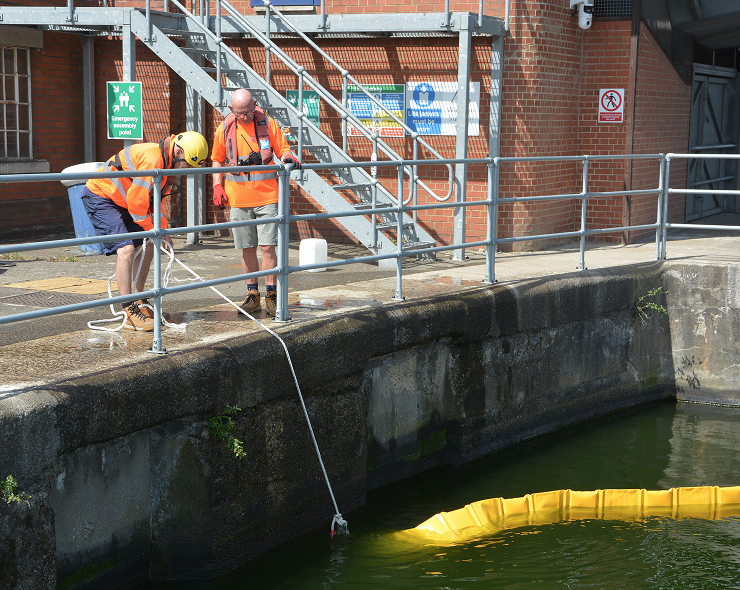
Pollution Prevention and Response
It is mandated in international legislation that each Port/Harbour/Docks has an oil spill clearance plan to deal limit the likelihood of oil spills and deal with the consequences should they occur in order to safeguard the environment.
The Marine and Coastguard Agency are the competent authority who ensures compliance with legislation. Royal Docks Waterways maintain three oil spill trained officers capable of managing an incident.
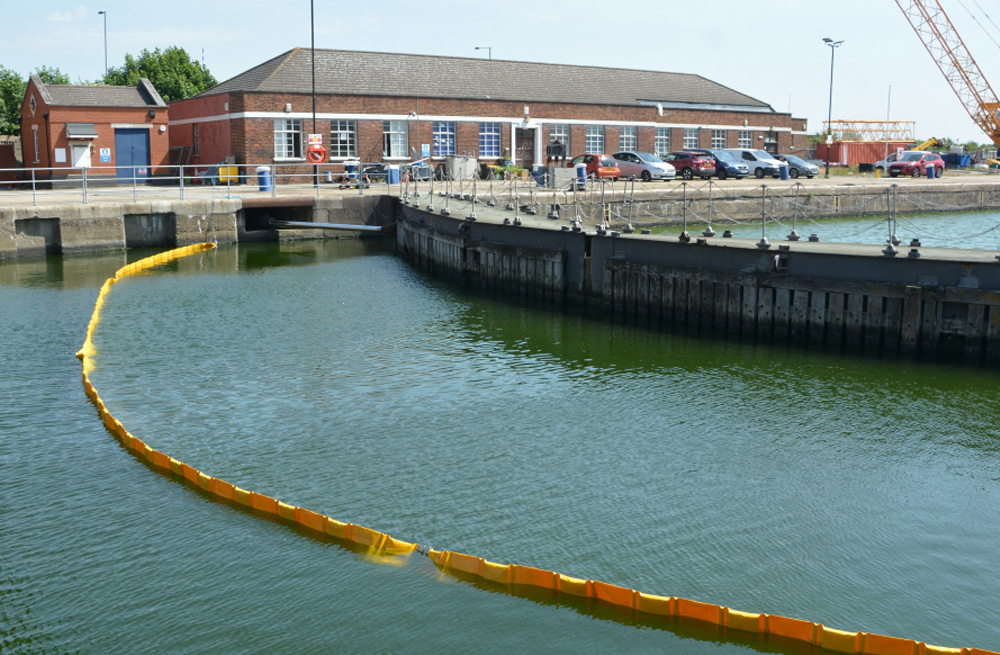
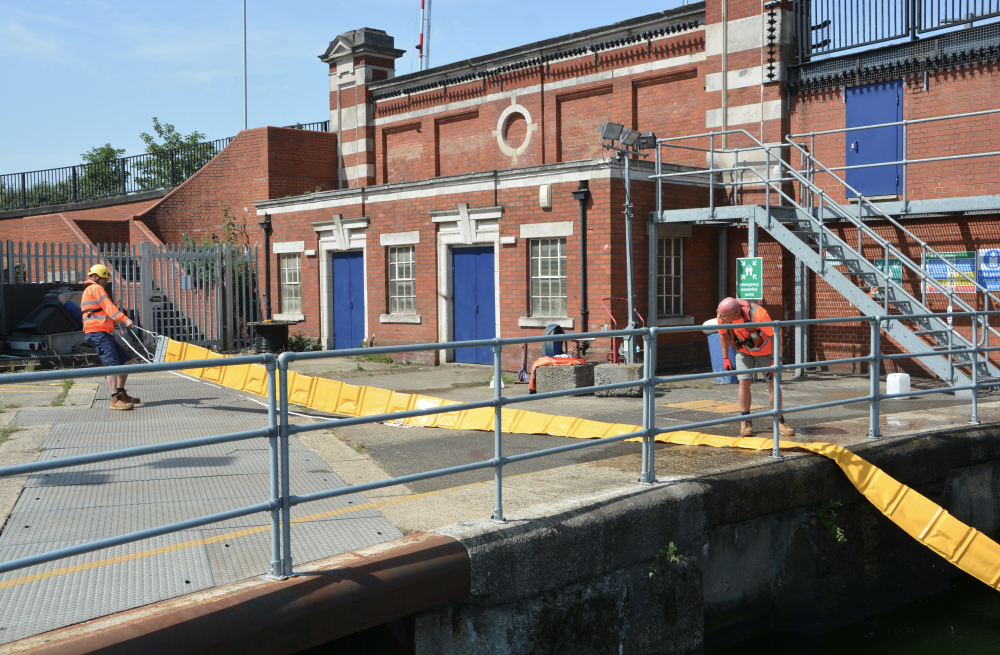
In addition, all marine and engineer staff are trained in clearance duties. Royal Docks Waterways holds spill kits and containment booms to deal with minor spills and has a Tier 3 contractor to deal with more serious ones.

Biodiversity and Habitat Protection
The Royal Docks support aquatic life and bird populations, although the latter do have an impact on airport operations. Nevertheless, the ecological impacts are considered within the RAMS for all operations.
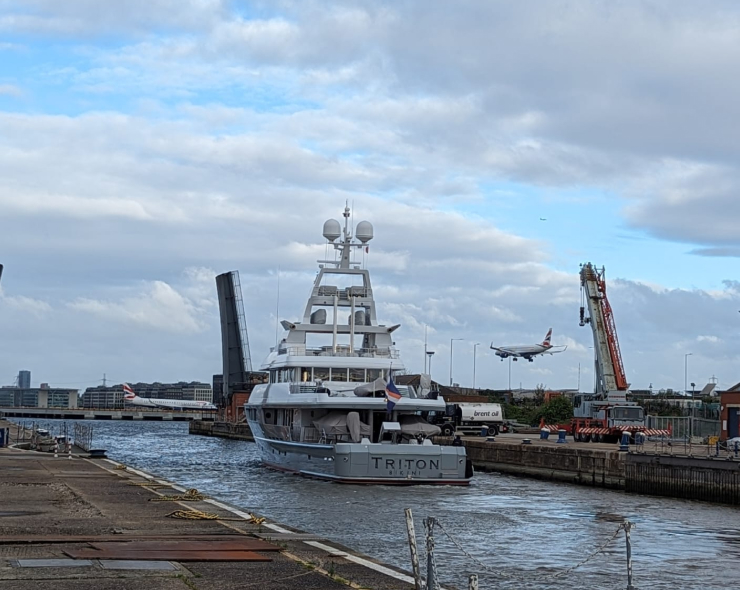
Air Quality and Emissions Control
Reducing emissions from vessels, machinery, and vehicles is increasingly important. The maritime sector is behind ground and air transportation in this respect. Royal Docks Waterways takes measures to promote cleaner fuels, limiting idling, and supporting low-emission technologies.
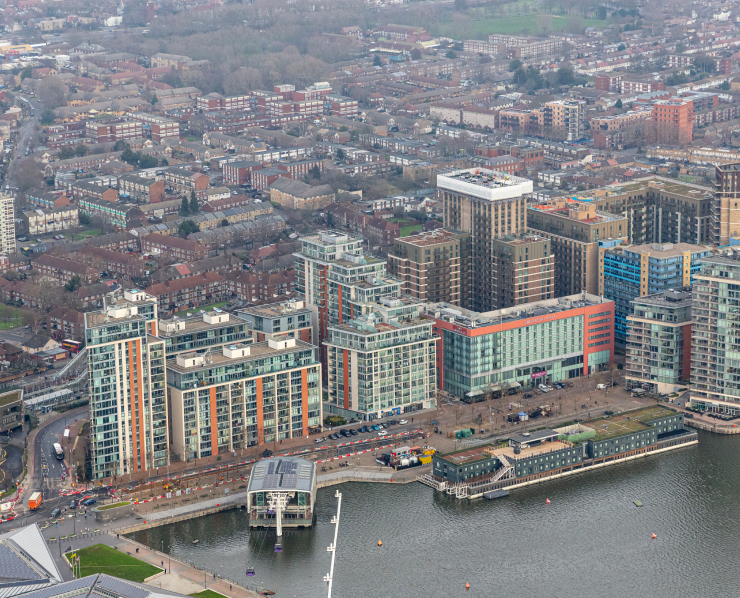
Noise and Disturbance Management
Dock activities can affect nearby communities and wildlife. Managing noise levels, vibration, and light pollution helps reduce the broader environmental impact of operations.
Night works, post 22:00 hours are rarely permitted unless in extraneous circumstances.

Environmental Risk Assessment
Identifying and evaluating potential environmental hazards, such as fuel storage, bunkering, cargo handling, or construction activities are key to preventing incidents. Controls are put in place to mitigate these risks through contractors RAMS which must be provided prior work being accepted.
FAQs
Find answers to common questions about how we manage environmental risk, monitor water quality and protect the natural environment of the Royal Docks.
We carry out monthly water quality testing to monitor a range of bacteria and assess overall water quality. This helps us meet European Bathing Standards and ensures that in-water and close-to-water leisure activities can take place safely. During the warmer summer months we also test for toxicity that may arise from algal blooms.
We maintain a formal oil spill clearance plan as required by international legislation. Royal Docks Waterways has three trained oil spill response officers, and all marine and engineering staff are trained in clearance duties. We hold spill kits and containment booms for minor incidents and have a Tier 3 contractor available to manage more serious ones. The Marine and Coastguard Agency oversees compliance with the relevant legislation.
The Royal Docks support aquatic life and bird populations, and the ecological impact of all operations is considered as part of our risk assessment and method statements process. No works are approved without contractors providing RAMS that address environmental impacts, including those affecting local wildlife.
We take active steps to reduce emissions across the dock estate, including promoting cleaner fuels, limiting engine idling and supporting the adoption of low-emission technologies. The maritime sector is working to close the gap with ground and air transportation, and we are committed to playing our part in that transition.
Night works, defined as works taking place after 22:00, are only permitted in exceptional circumstances. We aim to minimise noise, vibration and light pollution from dock activities to protect both local communities and the wildlife that uses the dock environment.
All contractors working at the Royal Docks are required to submit risk assessments and method statements (RAMS) before any work is approved. These must identify potential environmental hazards, including those related to fuel storage, bunkering and construction activity, and set out the controls that will be put in place to mitigate them.
Gallery

Get In Touch
We’re keen to hear from you, whether it is about pursuing an opportunity, or finding out more as a local stakeholder or resident.
Leave your name, email and organisation (if relevant) and we’ll keep you posted with updates.